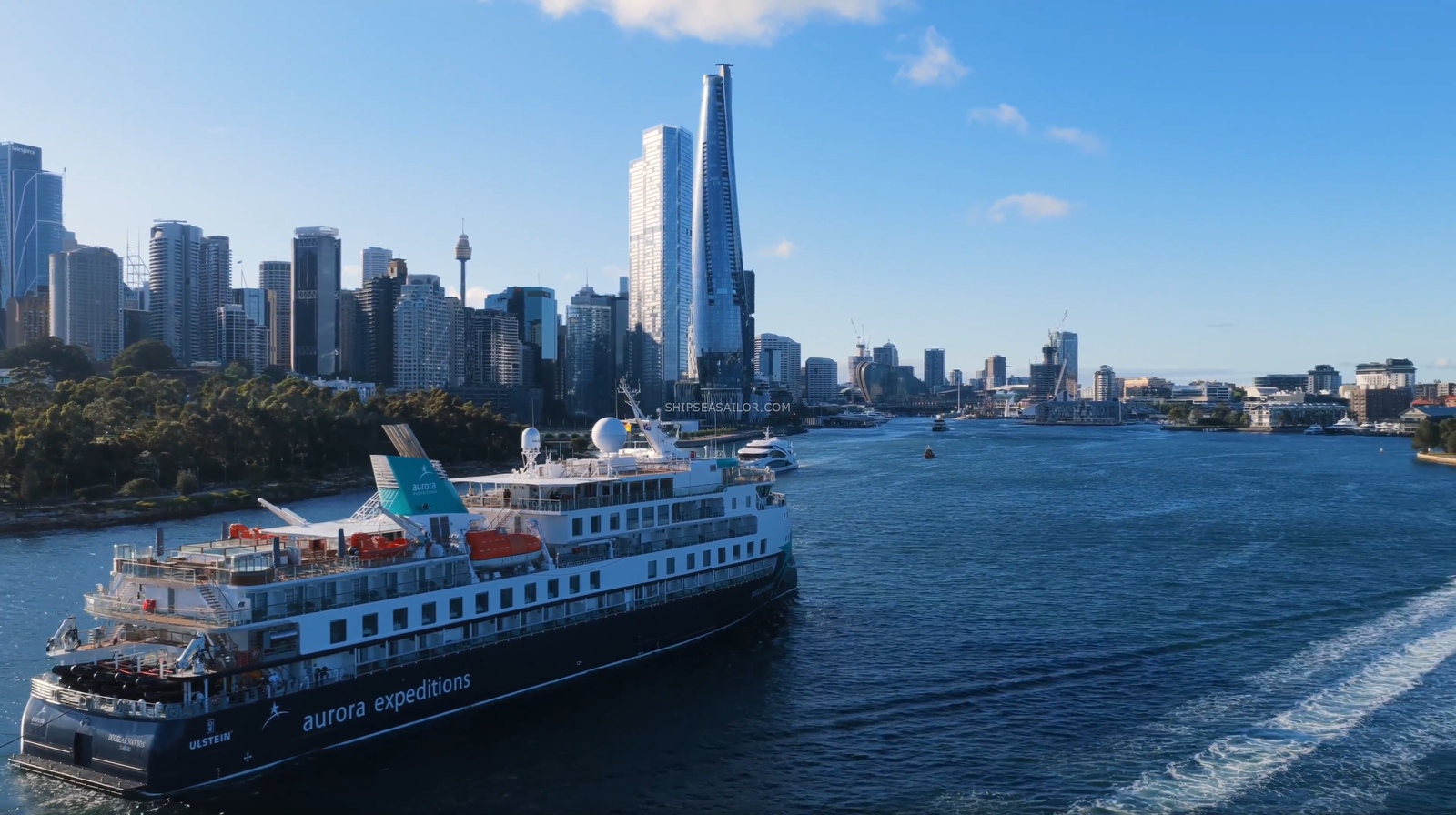
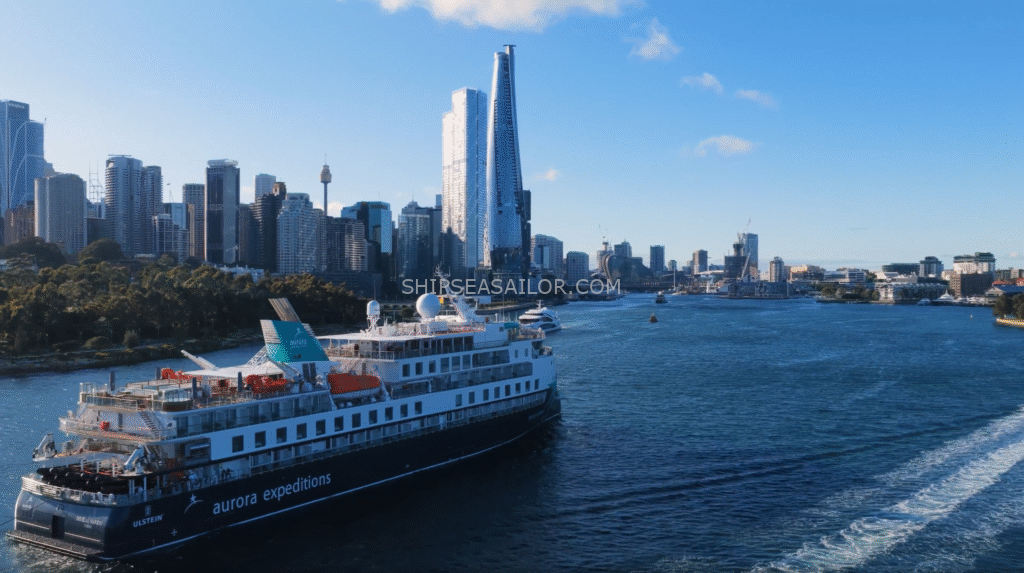
The Douglas Mawson is one of the newest and most advanced expedition ships sailing today, created to bring modern travellers closer to the world’s most remote wilderness regions. Designed from the keel up for polar exploration, this small expedition vessel mixes cutting-edge technology, scientific capability, and refined comfort — all wrapped in a tribute to the legendary Antarctic explorer Sir Douglas Mawson.
From its sleek, wave-piercing hull to its observation lounges, balcony staterooms, and purpose-built science centre, the ship represents a new era of sustainable and meaningful adventure cruising. This article explores the history, design, features, itineraries, and onboard life of the Douglas Mawson in full detail.
1. Who Was Sir Douglas Mawson and Why Is the Ship Named After Him?
Before understanding the ship, it’s important to appreciate the man behind the name. Sir Douglas Mawson (1882–1958) was one of the most influential Antarctic explorers of the Heroic Age. While names like Amundsen and Shackleton are internationally recognised, Mawson’s accomplishments were equally groundbreaking.
1.1 Mawson’s Most Important Contributions
- Leader of the Australasian Antarctic Expedition (1911–1914)
He mapped previously unknown parts of East Antarctica and conducted valuable scientific research on geology, climate, and magnetism. - Incredible survival story
During one of his sledging journeys, both of his companions died, leaving him alone in the harshest conditions on Earth. Mawson’s six-week solo return is considered one of the greatest survival stories ever recorded. - Founder of Australian Antarctic science
His research laid the foundation for Australia’s future territorial presence and scientific programmes in Antarctica.
The new expedition ship aims to honour Mawson’s spirit of courage, discovery, and scientific curiosity. By carrying travellers to remote and scientifically rich environments, the vessel continues the explorer’s legacy in a modern, sustainable way.
2. Overview of the Douglas Mawson Expedition Ship
Launched in 2025, the Douglas Mawson is a purpose-built expedition vessel engineered for polar cruising. Unlike large cruise ships that focus primarily on entertainment, this ship is intentionally intimate, science-driven, and environmentally responsible.
2.1 General Characteristics
- Launch Year: 2025
- Length: Approximately 104 metres
- Passenger Capacity: 130–154 guests, depending on the voyage
- Crew: A mix of maritime professionals, expedition leaders, naturalists, scientists, and hospitality staff
- Decks: 8 passenger-accessible decks
- Ship Type: Polar-class expedition vessel
- Primary Regions: Antarctica, Arctic, Sub-Antarctic Islands, and remote global destinations
This size allows the ship to access smaller, less-visited bays and landing sites while maintaining a personalised, small-group exploration style.
3. Design and Engineering – Built for the World’s Harshest Environments
The Douglas Mawson is part of a new generation of expedition ships using innovative naval architecture designed to improve stability, fuel efficiency, and passenger comfort in unpredictable polar seas.
3.1 The Ulstein X-BOW® Advantage
One of the ship’s defining features is its X-BOW® — a forward-sloping hull that cuts through waves instead of rising and falling over them. This design provides several major benefits:
- Reduces pitch and roll in rough seas
- Minimises vibration and slamming
- Lowers fuel consumption
- Allows smoother, quieter sailing
- Improves overall safety in polar conditions
This is especially useful during the notoriously turbulent Drake Passage or areas of high swell around the Sub-Antarctic islands.
3.2 Polar-Class Strength and Safety
The ship is built following stringent Polar Code standards. This includes:
- An ice-strengthened hull
- Redundant navigation and communication systems
- High-level safety and environmental protection protocols
- Advanced stabilisers
These systems ensure safe travel through icy waters and remote, high-latitude environments where support is far away.
3.3 Sustainable Technologies
Modern expedition travellers often care deeply about conservation. The ship supports these ideals through:
- Low-emission engines
- Efficient propulsion systems
- Waste management and recycling systems
- Reduced underwater noise levels to protect marine life
- Energy-efficient heating and insulation
The Douglas Mawson is designed not just for travel, but for mindful exploration that respects fragile ecosystems.
4. Accommodation — Comfort in the Heart of the Wilderness
Although it is an expedition vessel, the ship offers accommodations comparable to a luxury boutique hotel. Rooms are designed for warmth, comfort, and panoramic viewing.
4.1 Types of Cabins
Cabin categories typically include:
- Solo cabins – Private rooms for solo explorers
- Twin or king-bedded staterooms
- Balcony staterooms – Most cabins feature private balconies
- Suites – Larger rooms with expanded living areas and premium amenities
- Interconnecting cabins – Ideal for families or small groups
4.2 Key Features in Most Cabins
- Floor-to-ceiling windows
- High-grade bedding suited for polar climates
- Private bathrooms
- Climate control systems
- Smart storage options for expedition gear
- Calm, minimalist Scandinavian-inspired interiors
The idea is simple: after a full day of exploring glaciers, wildlife colonies, or icy fjords, your room becomes a peaceful retreat.
5. Onboard Amenities and Guest Spaces
Even though the Douglas Mawson is not a megaship, it delivers a rich onboard experience focused on learning, relaxation, and wilderness immersion.
5.1 Panoramic Observation Lounge
The observation lounge is the heart of the ship, offering:
- Floor-to-ceiling glass
- 180° to 270° polar views
- Comfortable seating
- Scope mounts and wildlife-spotting gear
Passengers can watch whales, seabirds, icebergs, or auroras without stepping outside.
5.2 Dining Venues
The ship offers high-quality dining with menus influenced by international and local cuisines. Features usually include:
- A main dining room
- Buffet and à la carte options
- Locally inspired ingredients where possible
- Warm, communal dining encouraging conversation
Hot beverages like cocoa, herbal teas, and warm soups are especially popular on polar voyages.
5.3 Wellness and Recreation
- Sauna with panoramic windows
- Jacuzzis or hot tubs
- Fitness centre
- Spa services
- A heated mudroom for storing boots and outerwear
These facilities allow guests to recover after physically demanding shore activities.
6. The Expedition Experience
The Douglas Mawson is not just a ship — it’s a mobile exploration platform.
6.1 Zodiac Landings
Small inflatable boats known as Zodiacs carry guests ashore to:
- Penguin colonies
- Seal haul-outs
- Ice shelves
- Remote research huts
- Historic polar sites
These landings form the core of every expedition.
6.2 Adventure Activities
Depending on the itinerary, guests may participate in:
- Sea kayaking
- Snorkelling in temperate regions
- Snowshoeing
- Trekking
- Camping in polar regions (where regulations permit)
Each activity is led by qualified guides and naturalists.
6.3 Educational Enrichment
True to Mawson’s scientific legacy, the ship’s program emphasises knowledge and conservation.
Activities include:
- Lectures by geologists, biologists, historians, and climate scientists
- Photography workshops
- Wildlife identification sessions
- Citizen-science projects (e.g., cloud surveys, whale identification, water sampling)
Many travellers consider this combination of adventure + learning the most rewarding part of the journey.
7. Onboard Science and Conservation Focus
The ship is equipped with a fully functional science centre, which is rare for cruise vessels of this size.
Features typically include:
- Interactive displays
- Research-grade microscopes
- Water sampling tools
- Reference materials
- Space for visiting scientists
Citizen science programs allow guests to assist in real data collection used by research organisations.
Examples include:
- Tracking seabird migration
- Logging whale sightings
- Supporting glacier monitoring
- Recording cloud patterns for climate modelling
This educational component transforms passengers into contributors, not just observers.
8. Destinations and Itineraries
The Douglas Mawson primarily operates in remote and polar environments. Its routes are designed for genuine wilderness immersion.
8.1 East Antarctica
A signature region for the ship due to Mawson’s historical connection. Highlights include:
- Davis Station region
- Ice cliffs and massive tabular icebergs
- Emperor penguin habitats
- Rarely visited coastal landing sites
Very few vessels travel to this part of Antarctica, making these voyages especially exclusive.
8.2 The Antarctic Peninsula
The classic polar expedition route, featuring:
- Whale-rich channels
- Blue icebergs
- Gentoo and chinstrap penguin colonies
- Glacial fjords
8.3 Sub-Antarctic Islands
Some of the greatest wildlife spectacles on Earth occur here:
- King penguin mega-colonies
- Giant albatross nesting sites
- Rugged volcanic landscapes
8.4 The Arctic
Summer itineraries may include:
- Svalbard
- Greenland’s vast fjords
- Northern Canada
- Remote pack-ice regions
8.5 Global Adventure Routes
Outside the polar seasons, the ship may explore:
- Patagonia
- The British Isles
- Pacific island chains
- Tropical or temperate wildlife locations
9. Who Should Travel on the Douglas Mawson?
The ship appeals to a specific kind of traveller — someone who craves both adventure and meaning.
Ideal For:
- Wildlife enthusiasts
- Nature photographers
- Adventure seekers
- Environmental lovers
- Solo travellers
- Couples and families who prefer intimate ships
- People interested in history and science
- Travellers wanting to visit off-the-beaten-path regions
Not Ideal For:
- Travellers expecting casinos, stage shows, or huge pools
- Those wanting nonstop nightlife
- People who prefer warm-weather vacations
The experience is immersive, educational, and active — perfect for those who dream of exploring the ends of the Earth.
10. Overall Impression — Why the Douglas Mawson Stands Out
The Douglas Mawson is more than a cruise ship. It is:
- A tribute to one of the world’s greatest explorers
- A highly capable expedition vessel
- A floating classroom
- A luxury wilderness lodge
- A sustainable, intelligent design for sensitive environments
Its combination of polar readiness, scientific purpose, and intimate size makes it a standout choice in the fast-growing world of expedition travel.
Conclusion
The Douglas Mawson represents the future of exploration cruising — small, responsible, educational, and deeply connected to the natural world. Whether cruising among Antarctic icebergs, watching whales breach, or learning from onboard scientists, passengers gain an experience that is not only beautiful but transformational.
For travellers who want more than just a vacation — who want discovery, history, science, and wilderness — the Douglas Mawson is one of the finest expedition ships afloat today.
Table of Contents
- 1. Who Was Sir Douglas Mawson and Why Is the Ship Named After Him?
- 2. Overview of the Douglas Mawson Expedition Ship
- 3. Design and Engineering – Built for the World’s Harshest Environments
- 4. Accommodation — Comfort in the Heart of the Wilderness
- 5. Onboard Amenities and Guest Spaces
- 6. The Expedition Experience
- 7. Onboard Science and Conservation Focus
- 8. Destinations and Itineraries
- 9. Who Should Travel on the Douglas Mawson?
- 10. Overall Impression — Why the Douglas Mawson Stands Out
- Conclusion
Explore More Exciting Posts Here!
Carnival Jubilee Cruise Ship Full Guide 2025 (Carnival Cruise Line)
Utopia of the Seas: The Ultimate Oasis at Sea by Royal Caribbean (2025)
Carnival Mardi Gras cruise ship is the Ultimate Sea Adventure” 2025
CARNIVAL CELEBRATION CRUISE FROM CARNIVAL CRUISE LINE
Behind the Scenes: What Life Is Really Like Working on a Cruise Ship (2025)
10 Cruise Ship Myths You Should Stop Believing
Nvidia and Nokia Forge Strategic Partnership to Accelerate AI and Network Innovation 2025