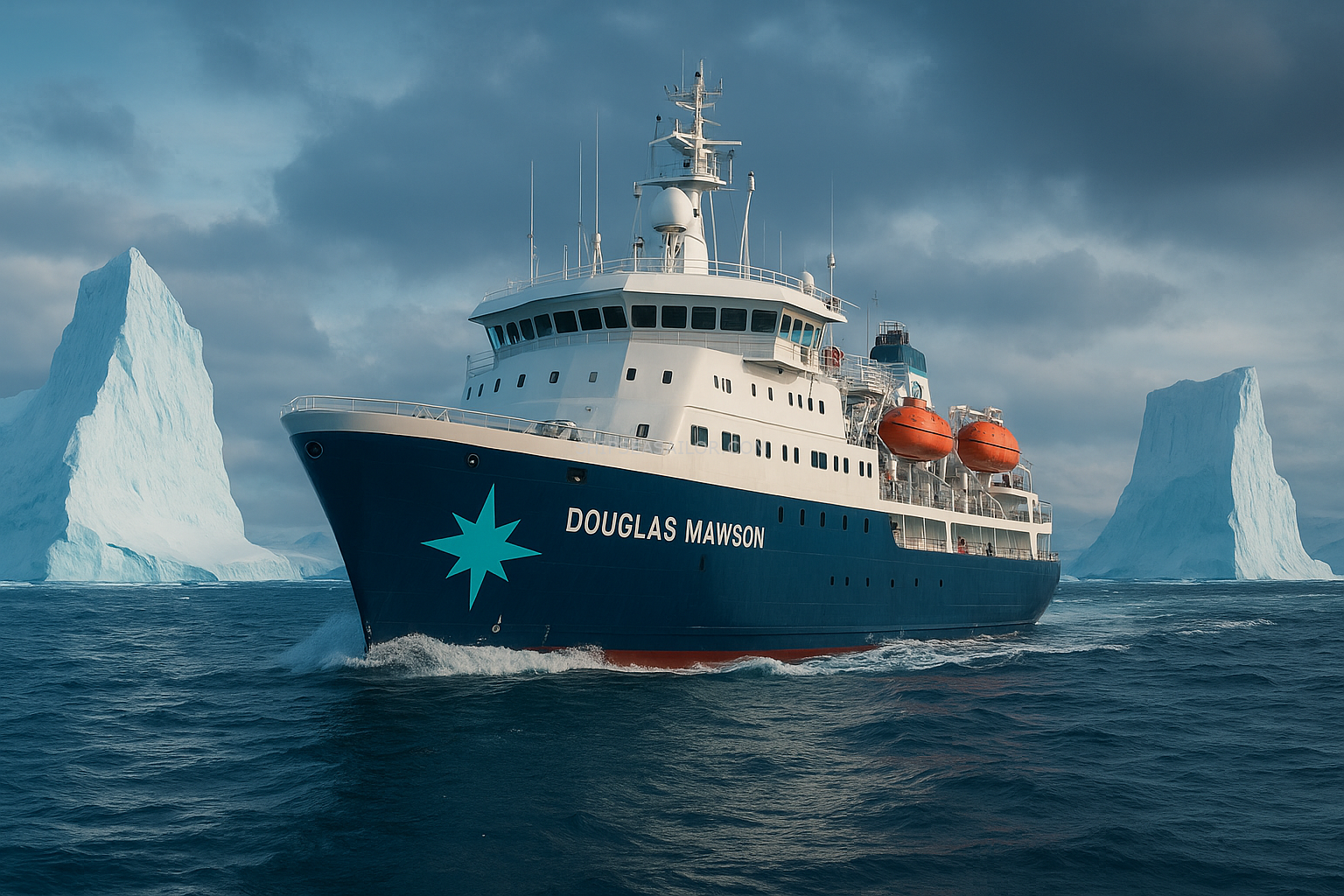
The Douglas Mawson Expedition Ship is one of the most advanced and thoughtfully designed expedition ships of the modern era, built to take explorers into regions that even today remain untouched, unspoiled, and rarely visited. Named after Sir Douglas Mawson — the iconic Antarctic explorer and scientist — this vessel blends cutting-edge engineering, responsible travel practices, and exceptional onboard comfort.
Whether navigating the iceberg-dotted seas of East Antarctica, searching for polar wildlife across the Sub-Antarctic islands, or guiding adventurers to remote Arctic wilderness, the Douglas Mawson stands as a model for meaningful, sustainable expedition cruising.
This detailed guide introduces you to the ship’s design, engineering, history, facilities, onboard experience, itineraries, and a complete Ship Particulars & Specifications Table.
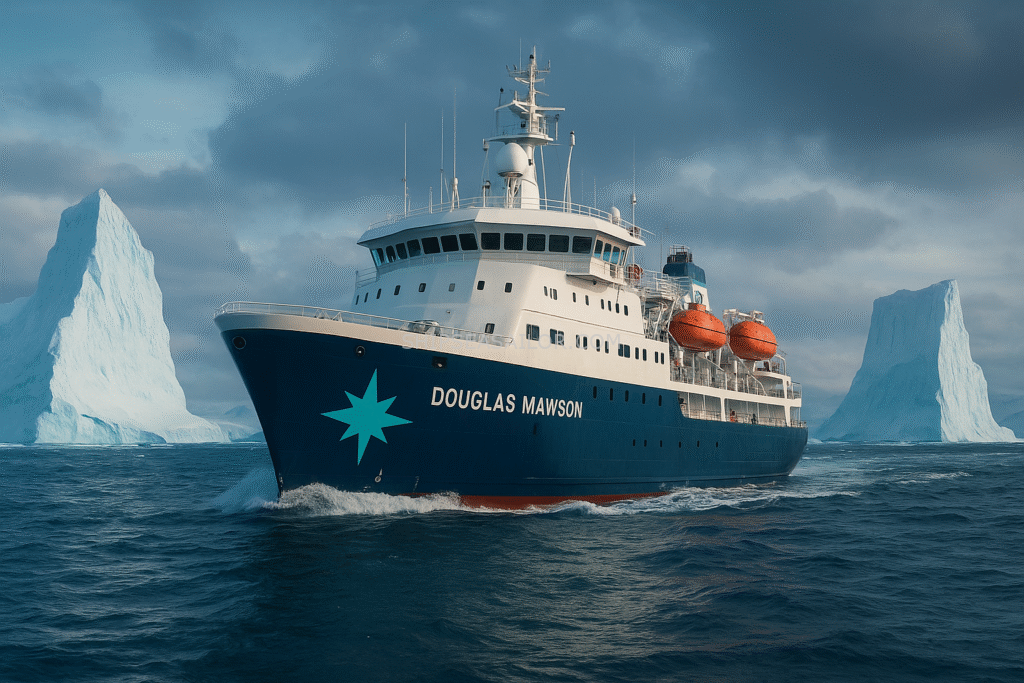
Ship’s Particulars & Specifications – Douglas Mawson
| Category | Details |
|---|---|
| Ship Name | Douglas Mawson |
| Ship Type | Polar-Class Expedition Vessel |
| Year Launched | 2025 |
| Builder / Design | Ulstein X-BOW® Expedition Design |
| Length Overall | Approx. 104 meters |
| Beam (Width) | Approx. 18 meters |
| Draft | Approx. 5.3 meters (varies by loading) |
| Gross Tonnage | ~8,000–9,000 GT (approx. expedition class) |
| Passenger Capacity | 130–154 guests (voyage-dependent) |
| Crew Capacity | Approx. 100 (crew + expedition staff + scientists) |
| Decks | 8 Passenger-Accessible Decks |
| Ice/Class Rating | Polar Class (Ice-strengthened hull) |
| Propulsion System | Hybrid-ready, energy-efficient diesel-electric engines |
| Stabilization | Advanced stabilisers for rough polar seas |
| Service Speed | 12–15 knots (depending on conditions) |
| Zodiacs | 12–14 inflatable boats for landings |
| Special Features | Science Centre, Library, Observation Lounge, Sauna, Mudroom, Expedition Equipment Storage |
| Cabin Types | Solo cabins, twin cabins, balcony staterooms, suites |
| Key Destinations | East Antarctica, Antarctic Peninsula, Sub-Antarctic Islands, Arctic, remote global expeditions |
| Environmental Systems | Low-emission engines, waste management, underwater noise reduction |
| Tenders & Equipment | Kayaks, safety gear, research instruments |
1. The Legacy Behind the Name: Who Was Sir Douglas Mawson?
The ship is named in honour of Sir Douglas Mawson, one of the greatest Antarctic explorers of the Heroic Age. Unlike his contemporaries who sought glory through racing to the South Pole, Mawson’s purpose was science, discovery, and the advancement of human understanding.
Key achievements of Douglas Mawson:
- Led the Australasian Antarctic Expedition (1911–1914)
- Conducted groundbreaking research in geomagnetism, geology, meteorology, and glaciology
- Survived one of the most extreme solo journeys in human history
- Laid the foundation for Australia’s long-term Antarctic scientific presence
- Respected worldwide as a pioneer of scientific exploration
The ship reflects his philosophy: adventure with purpose, discovery with responsibility.
2. What Makes the Douglas Mawson Special?
Launched in 2025, the Douglas Mawson was designed specifically for polar exploration. What sets it apart from many expedition ships is its commitment to science, sustainability, and guest immersion.
Top features that make this ship unique:
- Ulstein X-BOW for smoother, energy-efficient sailing
- Polar-class engineering for safe navigation through ice
- Ultra-modern science centre for real research at sea
- Small ship size for intimate, flexible expeditions
- Extensive wildlife-spotting lounges with panoramic windows
- Exceptional onboard guides, scientists, historians, and naturalists
3. Engineering Excellence – The Ulstein X-BOW Advantage
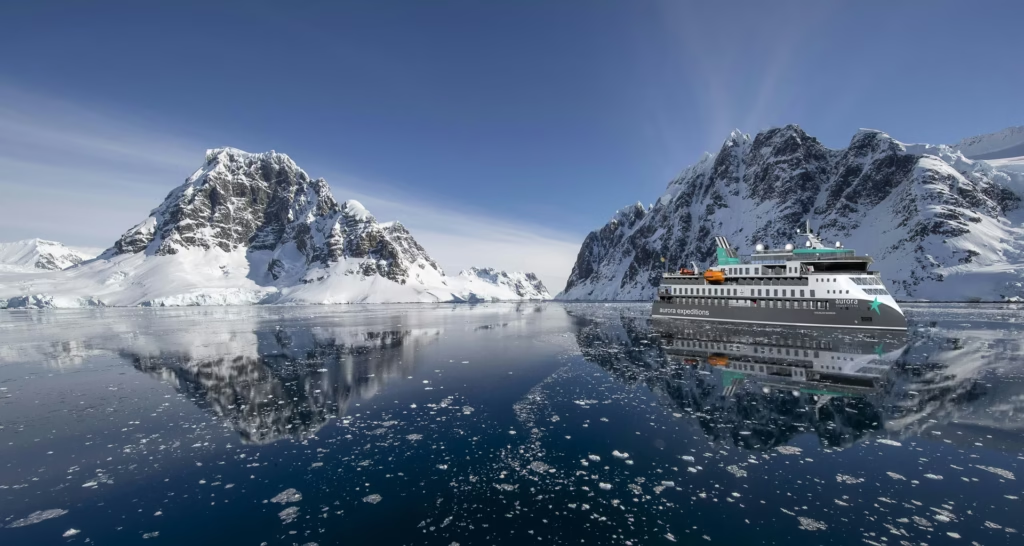
The Douglas Mawson is built with one of the most revolutionary hull designs in modern maritime history — the Ulstein X-BOW.
Benefits of the X-BOW design:
- Cuts through waves rather than rising over them
- Dramatically reduces vertical motion and jolting
- Minimizes seasickness during rough passages
- Uses less fuel, improving sustainability
- Quieter and smoother — ideal for wildlife-rich regions
This is especially important in:
- The Drake Passage
- East Antarctica’s unpredictable seas
- High-wind Sub-Antarctic islands
The X-BOW eliminates much of the slamming, vibration, and turbulence traditional bows create.
4. Polar-Class Strength & Environmental Innovation
The ship is fully compliant with Polar Code safety standards, including:
- Reinforced steel hull
- Advanced navigation sensors and radar
- Emergency rescue equipment
- Multiple redundant systems
Environmental technology includes:
- Low CO₂ emission engines
- Clean-burning fuel systems
- Waste heat recovery
- Highly efficient insulation to reduce energy usage
- Advanced wastewater and garbage management
- Low-noise propulsion for marine life protection
The aim is to minimise the vessel’s footprint in fragile ecosystems.
5. Accommodation – A Luxury Wilderness Retreat
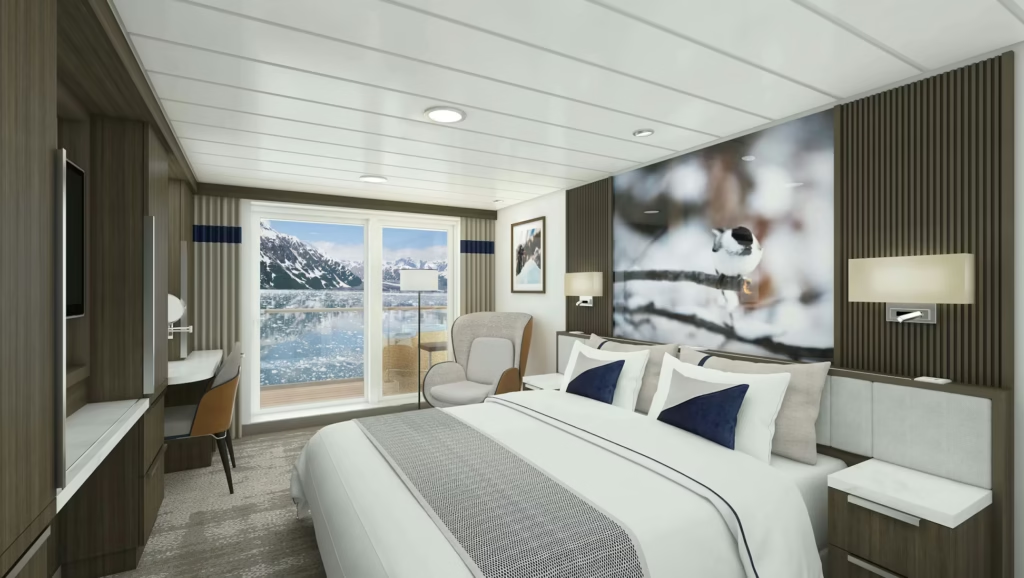
Cabins onboard the Douglas Mawson are modern, bright, and comfortable, inspired by Scandinavian minimalism. Most feature private balconies, allowing guests to watch wildlife, icebergs, or sunrise over endless horizons.
Cabin Features:
- Floor-to-ceiling windows
- High-quality bedding and warm duvets
- Climate control
- Smart storage for cold-weather gear
- Private bathrooms with heated floors (in many categories)
- Coffee/tea setups
- Comfortable seating and workspaces
Suites include expanded living areas, larger balconies, and premium amenities.
6. Dining & Social Spaces
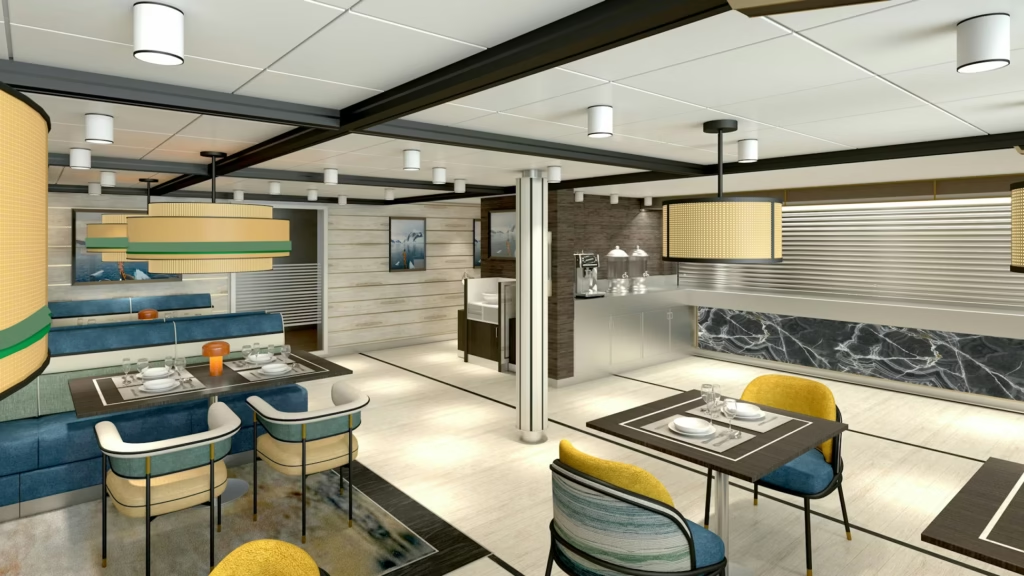
Despite being a small expedition ship, the Douglas Mawson offers impressive onboard hospitality.
Dining Includes:
- Main dining room with scenic views
- Buffet and served menus
- Vegetarian, vegan, and dietary-friendly options
- Locally inspired cuisine in certain regions
- Open seating to encourage social interaction
Warm drinks like soups, chai, cocoa, and herbal teas are popular on polar voyages.
Public Spaces:
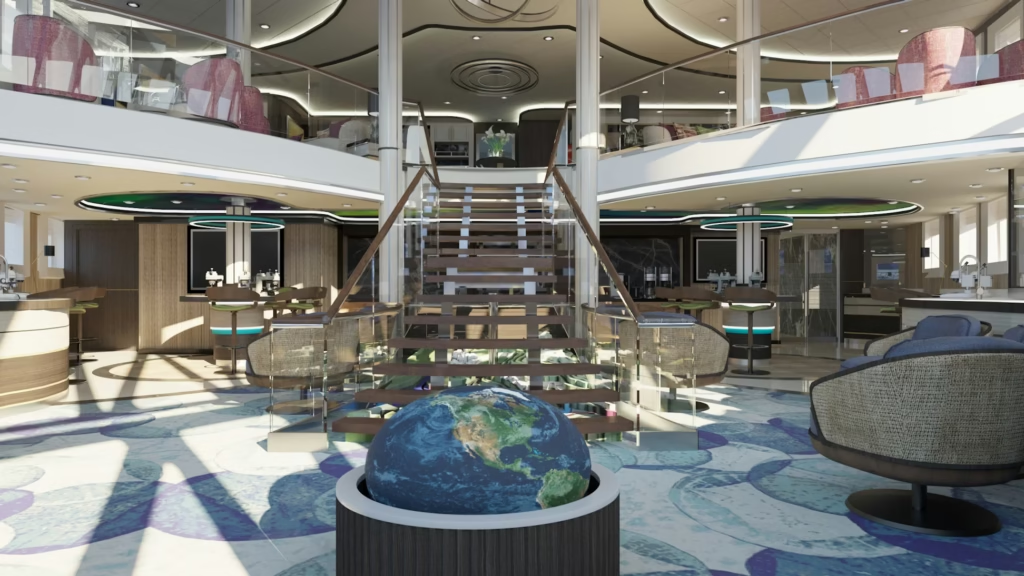
- Observation lounge with panoramic glass
- Library with polar literature
- Science centre
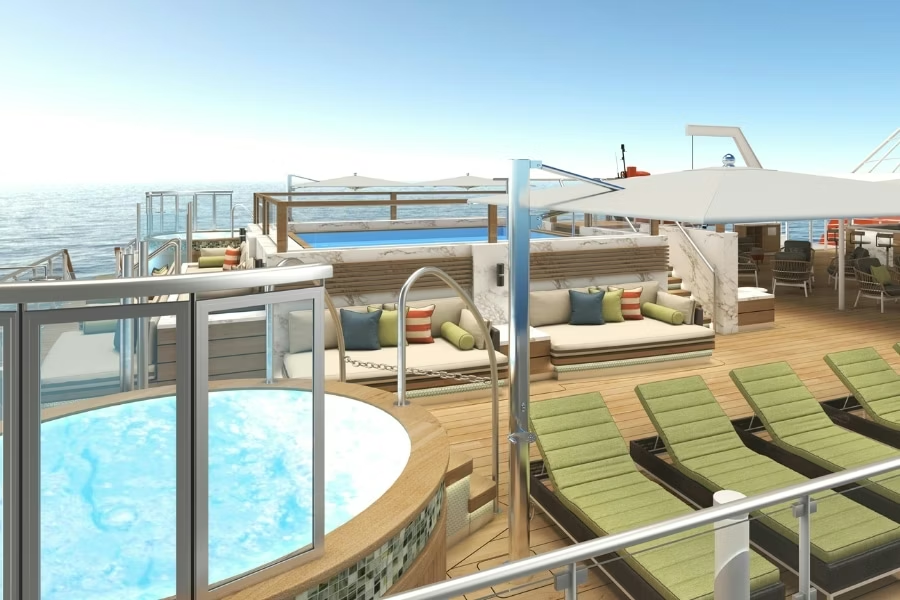
- Fitness studio
- Sauna & wellness areas
- Outdoor viewing decks
- Mudroom for storing and drying gear
7. The Expedition Experience – A True Traveller’s Adventure
A voyage aboard Douglas Mawson focuses on immersion and meaningful exploration.
Daily experiences include:
- Zodiac boat landings
- Wildlife encounters
- Guided hikes
- Photography sessions
- Kayaking (on select voyages)
- Snowshoeing
- Ice cruising
Every landing is carefully designed around weather, wildlife safety rules, and environmental protection.
8. Education, Science & Citizen Research
This ship is a floating research centre. Passengers are encouraged to participate in scientific programs, making each journey not only memorable but useful for global research.
Science Activities Include:
- Whale identification programmes
- Meteorological data collection
- Plankton and water sampling
- Bird migration tracking
- Glacial observation
- Microscopy workshops
- Geological lectures
- Climate discussions
The science centre includes:
- Research microscopes
- Sample storage
- Display screens
- Interactive science panels
- Tools for real-time weather and ocean analysis
This connection to real science makes the voyage more meaningful than traditional cruising.
9. Itineraries & Destinations
The Douglas Mawson explores some of the most remote and wildlife-rich regions on Earth.
9.1 East Antarctica Expeditions
A signature route, honouring Mawson’s legacy.
Expect:
- Massive tabular icebergs
- Emperor penguins (rare access)
- Australian Antarctic research areas
- Wild, untouched coastlines
Only a handful of ships visit East Antarctica each year.
9.2 Antarctic Peninsula Voyages
The most popular route for first-time explorers.
Highlights:
- Whale-rich waters
- Blue icebergs
- Penguin rookeries
- Snow-filled mountain ranges
9.3 Sub-Antarctic Islands
A paradise for bird lovers and photographers.
Includes:
- King penguin colonies
- Giant albatross nesting grounds
- Rugged volcanic islands
9.4 The Arctic
Summer voyages may visit:
- Svalbard
- Greenland
- Canadian Arctic
- High Arctic pack ice
9.5 Global Discovery Routes
Between polar seasons, the ship travels to:
- Patagonia
- The British Isles
- New Zealand & Tasmania
- Remote Pacific islands
- Warm-temperature wildlife regions
10. Who Should Travel on the Douglas Mawson?
Ideal for:
- Wildlife lovers
- Adventure travellers
- Photographers
- History and science enthusiasts
- Solo travellers
- Families seeking educational experiences
- People who prefer small ships over large tourist vessels
Not ideal for:
- Travellers wanting casinos and nightlife
- Those looking for big-ship entertainment
- People who dislike cold-weather destinations
Expedition travel is about depth, not crowds.
11. Final Verdict — Why the Douglas Mawson Stands Out
The Douglas Mawson is a perfect blend of exploration, comfort, and scientific purpose. It represents the future of responsible adventure tourism — where travellers become participants, not just observers.
Why this ship is special:
- Honors a true polar legend
- Built for the toughest environments on Earth
- Offers meaningful science-driven travel
- Small ship = big experiences
- Beautiful, modern accommodations
- Environmentally responsible
- Capable of reaching remote areas few humans see
Table of Contents
Explore More Exciting Posts Here!
Douglas Mawson Expedition Ship
Carnival Jubilee Cruise Ship Full Guide 2025 (Carnival Cruise Line)
Utopia of the Seas: The Ultimate Oasis at Sea by Royal Caribbean (2025)
Carnival Mardi Gras cruise ship is the Ultimate Sea Adventure” 2025
CARNIVAL CELEBRATION CRUISE FROM CARNIVAL CRUISE LINE
Behind the Scenes: What Life Is Really Like Working on a Cruise Ship (2025)
10 Cruise Ship Myths You Should Stop Believing
Nvidia and Nokia Forge Strategic Partnership to Accelerate AI and Network Innovation 2025